Woutrina Winkler-Prins · her story and drawings
A world written in symbols
A Dutch physiotherapist spent years exploring connections between words, symbols and water. Discover the path behind her work and the geometric drawings she left behind.
Meet Woutrina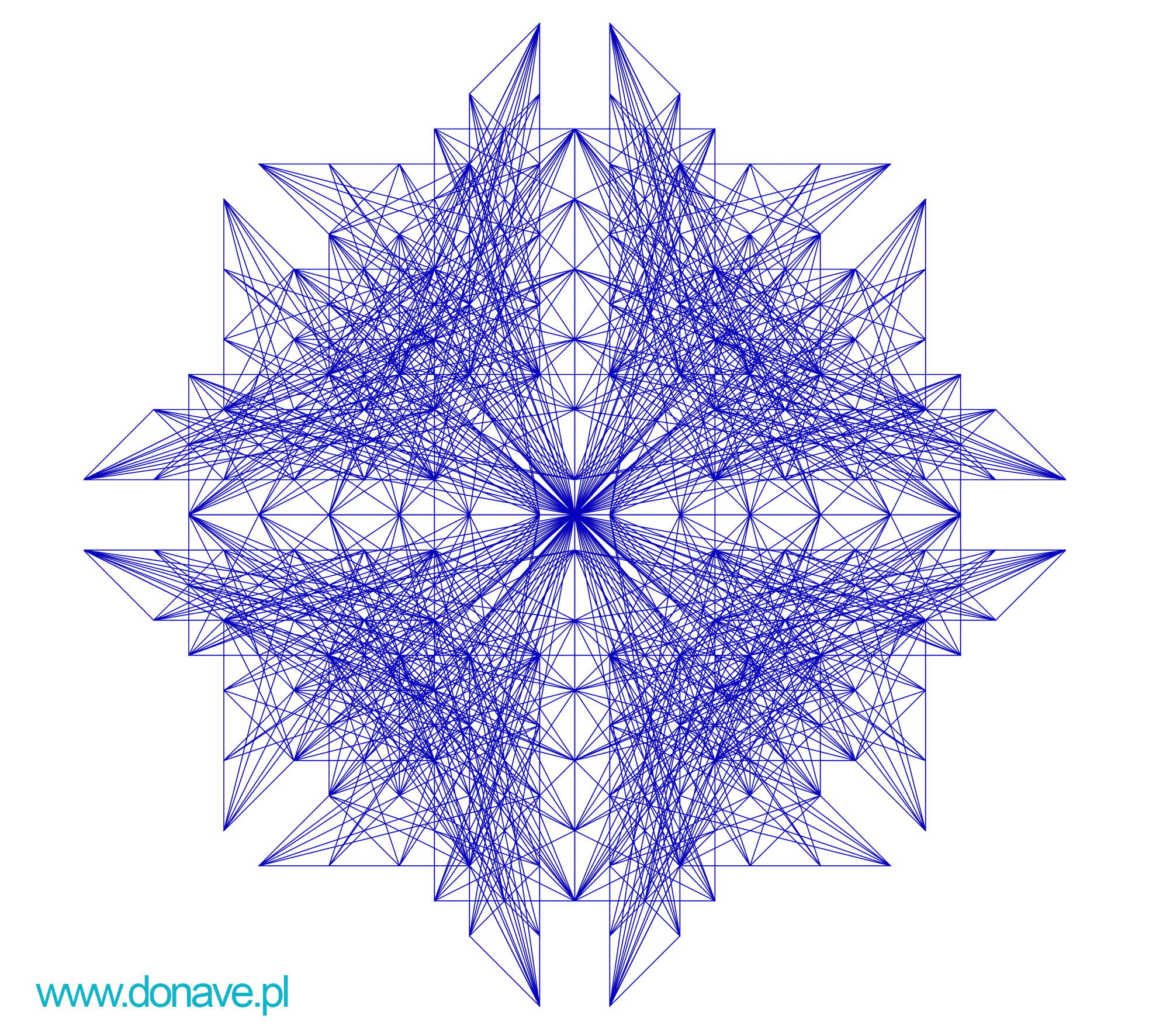
01 / Her story
Who was Woutrina?
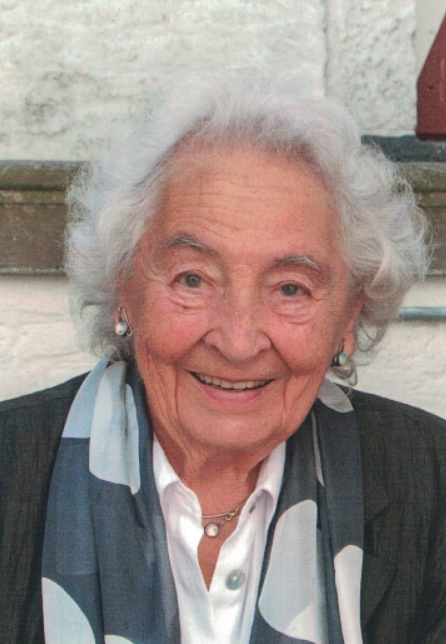
Woutrina Winkler-Prins, a Dutch therapist, spent more than 40 years exploring possible links between words and water. Her work included muscle testing associated with Touch for Health and what she called informational fields.
Woutrina believed that letters and words had their own vibrational frequencies. In her work with patients and in experiments with carriers such as salt and water, she wrote down recurring combinations of letters. Some did not belong to languages she knew. She reported associating these combinations with responses from the people she worked with. She later linked some to Sanskrit concepts such as “truth”, “compassion” and “insight”.
This account of Woutrina’s ideas and observations draws on surviving materials and her 2005 Paravisie interview. It does not establish therapeutic effects of words, symbols or water.
“I make use of the power that language possesses.”
Woutrina Winkler-Prins, Paravisie interview, 2005; translated into Polish by Barbara Wojtkowska
- Working with the bodyPhysiotherapy, massage, breathing and movement.
- Working with wordsMeanings associated with Sanskrit and her own system of symbols.
- Working with waterHer attempts to bring chosen words and signs to the water she named Donave.
Read more about Woutrina's way of working
In the interview, Woutrina described using massage, breathing exercises and muscle testing associated with Touch for Health. She gradually began looking for words that seemed relevant to people who visited her practice.
As she wrote them down, she noticed recurring combinations of letters. She later associated some with Sanskrit words. According to her account, a geometric alphabet appeared to her in a dream. She drew it on graph paper and continued to explore its words and meanings with visitors to her practice.
She then experimented with different materials as possible carriers for these symbols, eventually choosing water. This is her account of a personal method, not evidence of therapeutic effectiveness.
02 / Drawing archive
Woutrina's symbols
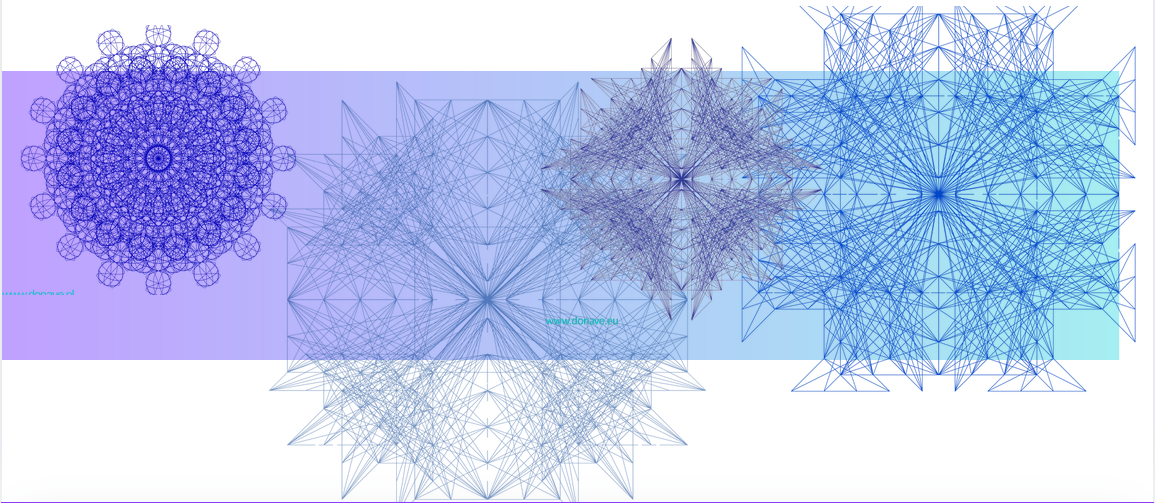
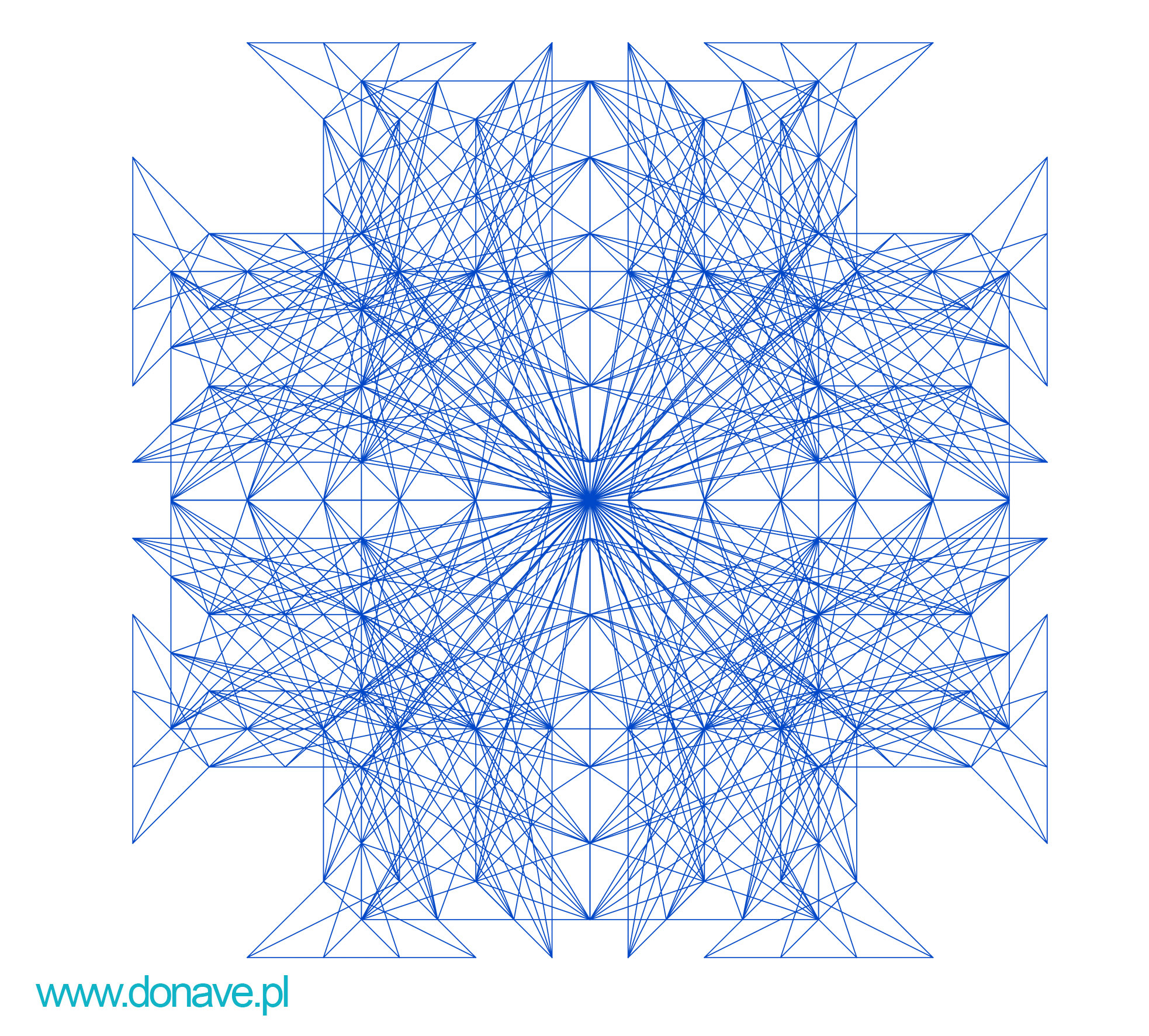
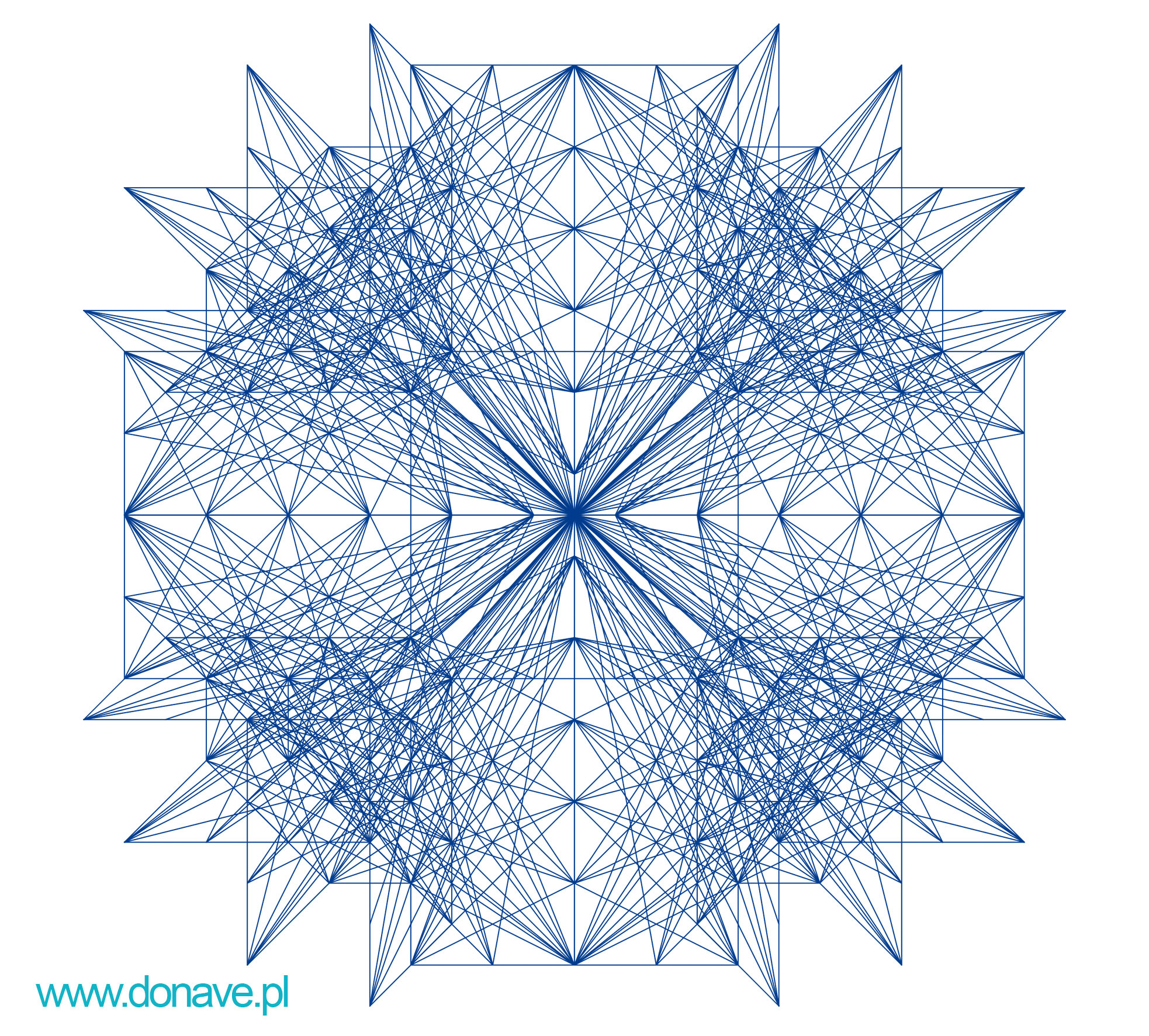
Fine lines form dense, radiating patterns. They may evoke moving water or plasma-like shapes. These are visual associations, not depictions of measured physical states of water.
03 / A story about language
“Language of Atlantis”
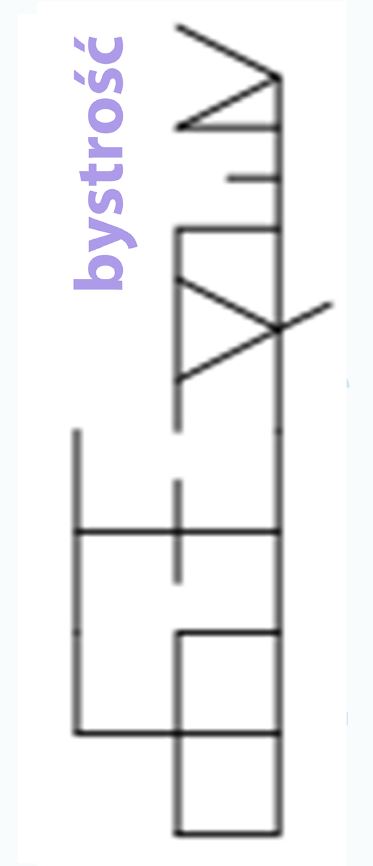
Woutrina said that recurring combinations of letters emerged during her work with people. She associated some with Sanskrit. She connected the remaining signs to what she called the language of Atlantis.
According to her account, she saw a 34-character alphabet in a dream and then drew it on graph paper. Barbara also describes the making of some drawings as resembling automatic writing. Over time, Woutrina formed words and compositions to which she assigned meanings. It is a compelling account of her creative journey, although the historical origin of the alphabet has not been established.
04 / The final stage
How did Donave begin?
It all began with a long and passionate search. Donave did not come into being overnight: it grew from more than 40 years of painstaking experiments, ongoing exploration of the nature of water and its remarkable properties.
Behind this work was Woutrina, who, together with a group of devoted friends and patients, spent years testing, observing and refining her method of programming water. It was a time of intense work, many trials and careful observation of how conscious action could affect the structure of water and restore its original harmony.
Every bottle of Donave is the result of this long shared experience, born from a wish to share something good and the conviction that water holds an imprint we can nurture together. Thanks to the patience and dedication of everyone who accompanied Woutrina over the years, we can now benefit from the remarkable properties of Donave.
From word to drawing to water.
Read on: Emoto and Woutrina, two approaches to water
How does Donave differ from Masaru Emoto's work?
Masaru Emoto became known for photographs of crystals formed by freezing water samples. He exposed water to words, music, pictures and prayer, then compared the photographs. He interpreted differences between the crystals in light of those exposures. The photographs do not, however, establish that water stores thoughts or emotions.
Woutrina began elsewhere: in physiotherapy and her meetings with patients. She used massage, breathing exercises and Touch for Health. She recorded combinations of letters, searched for meanings and drew geometric signs. Only later did she choose water as a carrier for what she understood to be the meaning of those signs.
The distinction lies in their paths and methods. Emoto focused on images of frozen water; Woutrina developed a system of words and signs that she eventually connected with water. Claims that Donave transfers information permanently remain part of her account, rather than an established physical property.
Barbara Wojtkowska has worked with Donave for more than two decades. She describes preparing it with spring waters from different parts of Poland and collecting users' accounts. These are personal experiences, not clinical evidence.
Sources: Emoto's account of his method; Woutrina's Paravisie interview (2005), Polish translation by Barbara Wojtkowska; Barbara Wojtkowska's account.
05 / Symbols as objects
From archive to object
Barbara Wojtkowska is organising the materials entrusted to her, selecting symbols and preparing them for publication and print.
Printed plaques with selected signs, including inscriptions from the “Language of Atlantis”, are in preparation. Barbara is also developing jewellery based on these motifs. Finished designs and their stories will be added here. An e-book about Woutrina is also in progress.
About the sources
This story draws on Woutrina's biography, her 2005 Paravisie interview translated into Polish by Barbara Wojtkowska, and surviving drawings. We distinguish Woutrina's personal accounts from scientific and historical findings.